Millac
Ireland's biggest cream exporter: Content systems · Creative direction
The challenge
Walker took Millac on before they had social media at all.
They knew what they wanted (chefs using their product, visibly) and had nothing to do it with. No content pillars, no formats, no art direction, no graphic design style, no editing style, no delivery process. Nothing.
It's a B2B cream brand selling into professional kitchens, which sounds like the least promising brief on this site.
The idea
Build the engine, not the posts.
B2B doesn't mean boring. It means specific. The audience is chefs, so everything has to earn a chef's attention on a chef's terms: proof the product performs, from people whose opinion they'd actually respect.
The work
I built the content pillars from nothing.
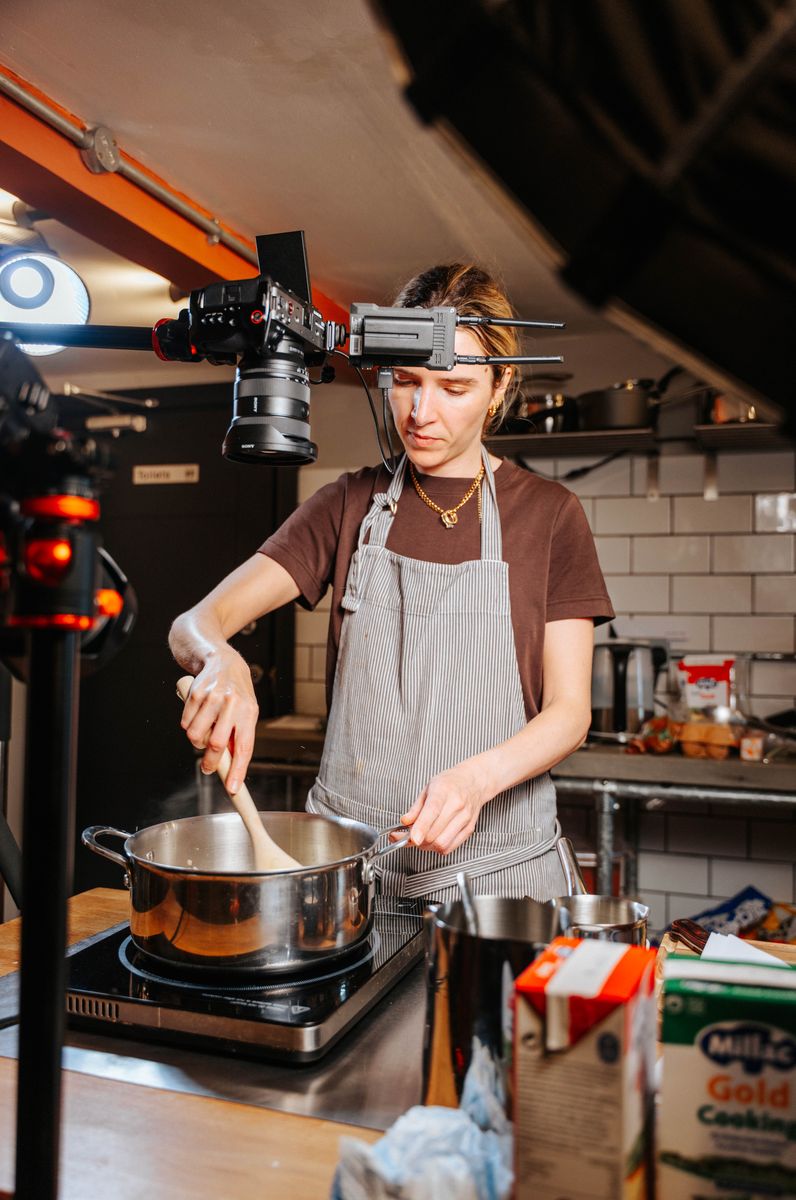
Tastemakers. Photographing a chef in the kitchen they actually work in, a few every quarter. Three formats inside it: a carousel of their place, a film of them making one thing, and a quick-fire Q&A of six chefs, six questions. I decided it should run seasonally, so each quarter has its own feel and a reason to come back.
Tastemakers, Jesse Wells
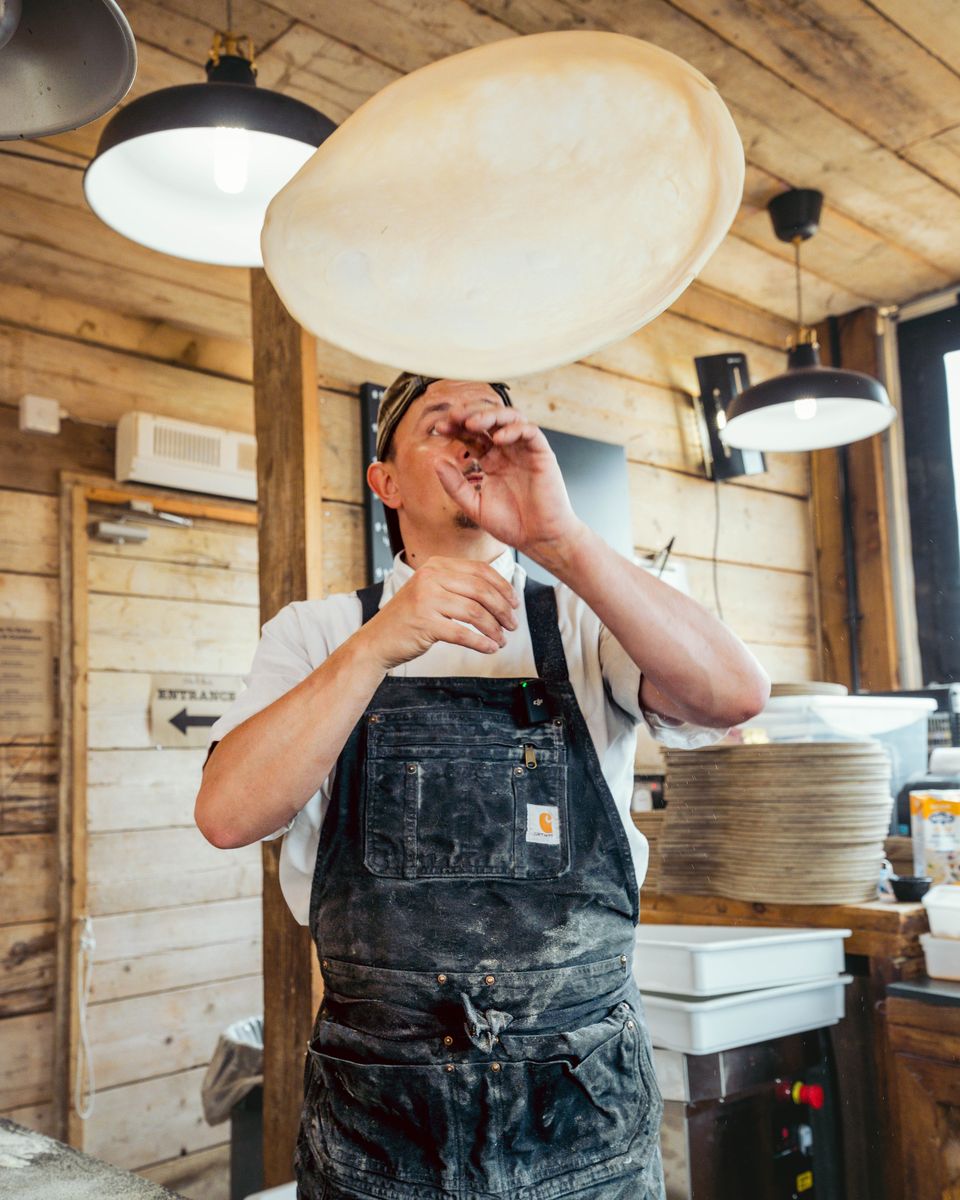
Tastemakers, Ali Borer
The one that proves the whole approach is a film about the phrases chefs hate hearing during service. It's a joke only chefs get, and it landed with thousands of them.
Cream School. Started as recipe films and became a named format about proof of product. One is built entirely around acid being difficult for a sauce to carry. Nobody outside a kitchen would write that, which is exactly why it works.
Trigger words
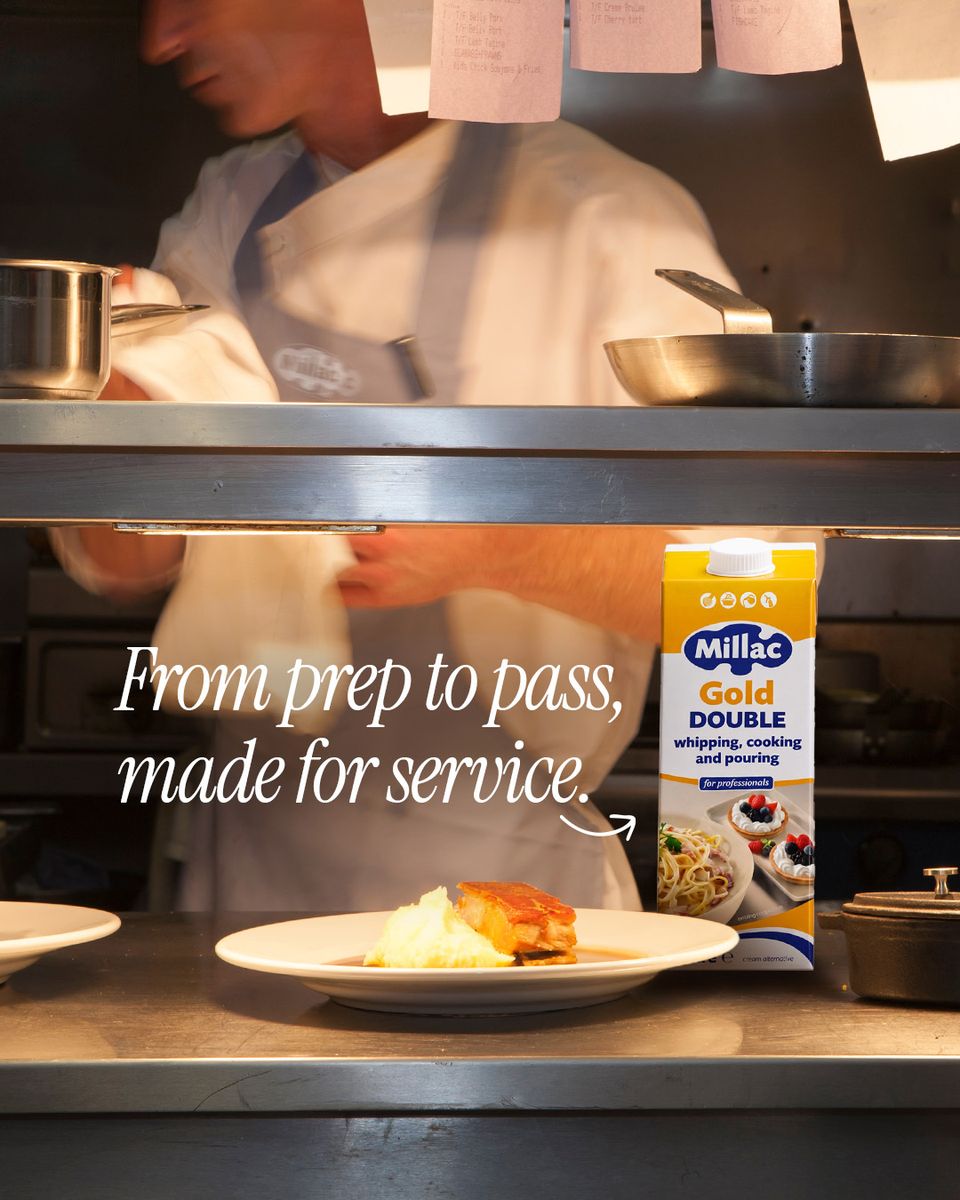
Cream School, lemon pasta
Pastures. Going back up the supply chain to the farmers. Still in development. And statics: there was no graphic design style, so we built one.
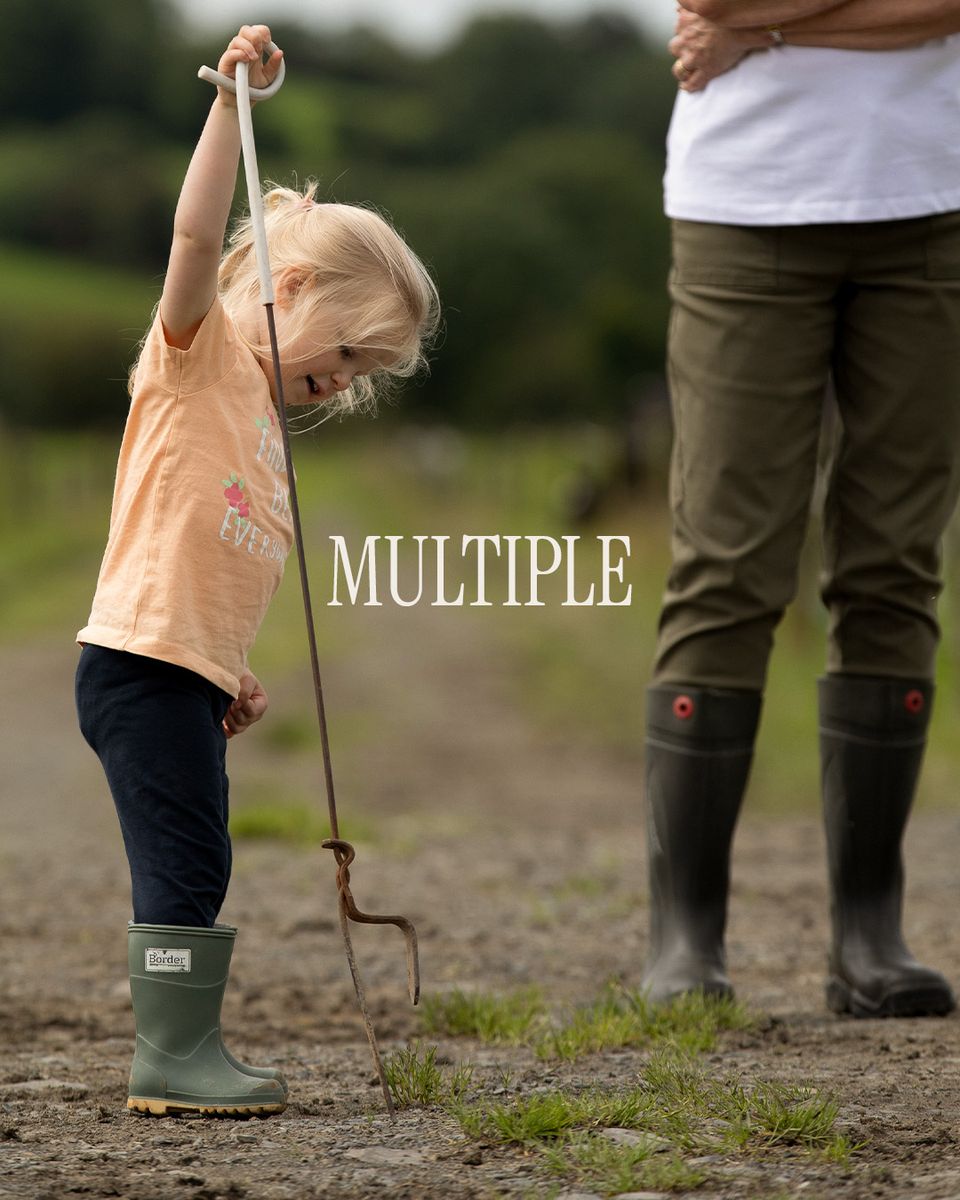
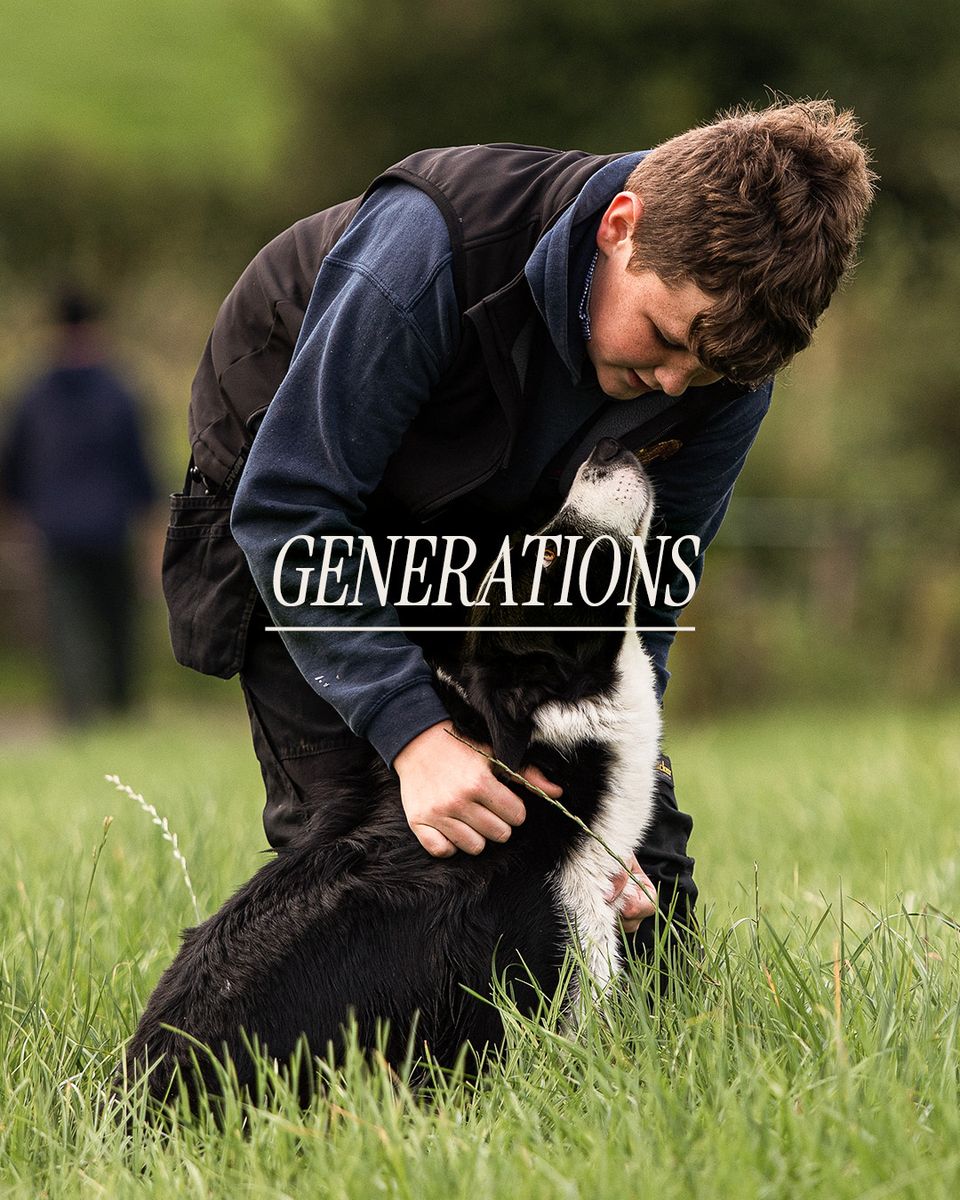
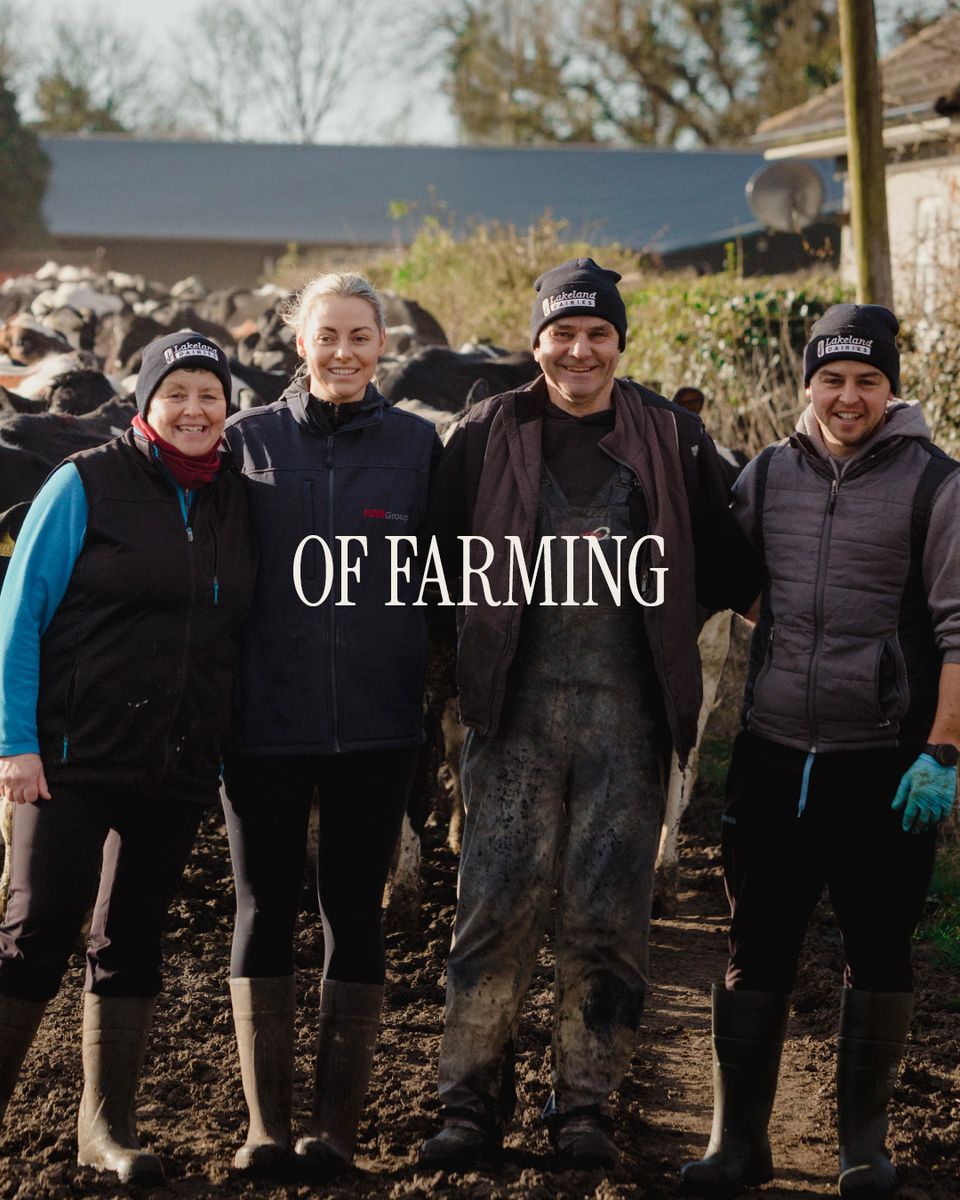
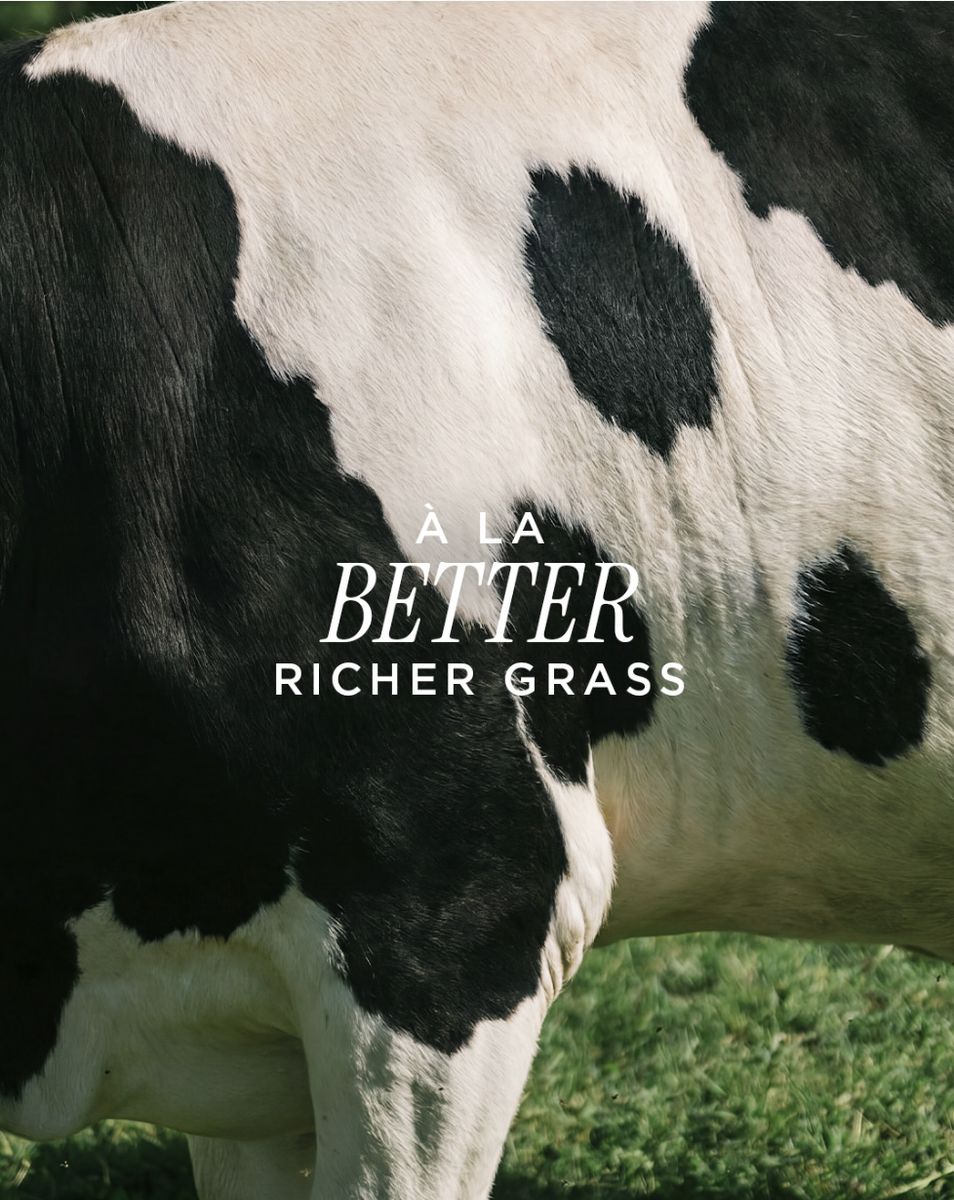
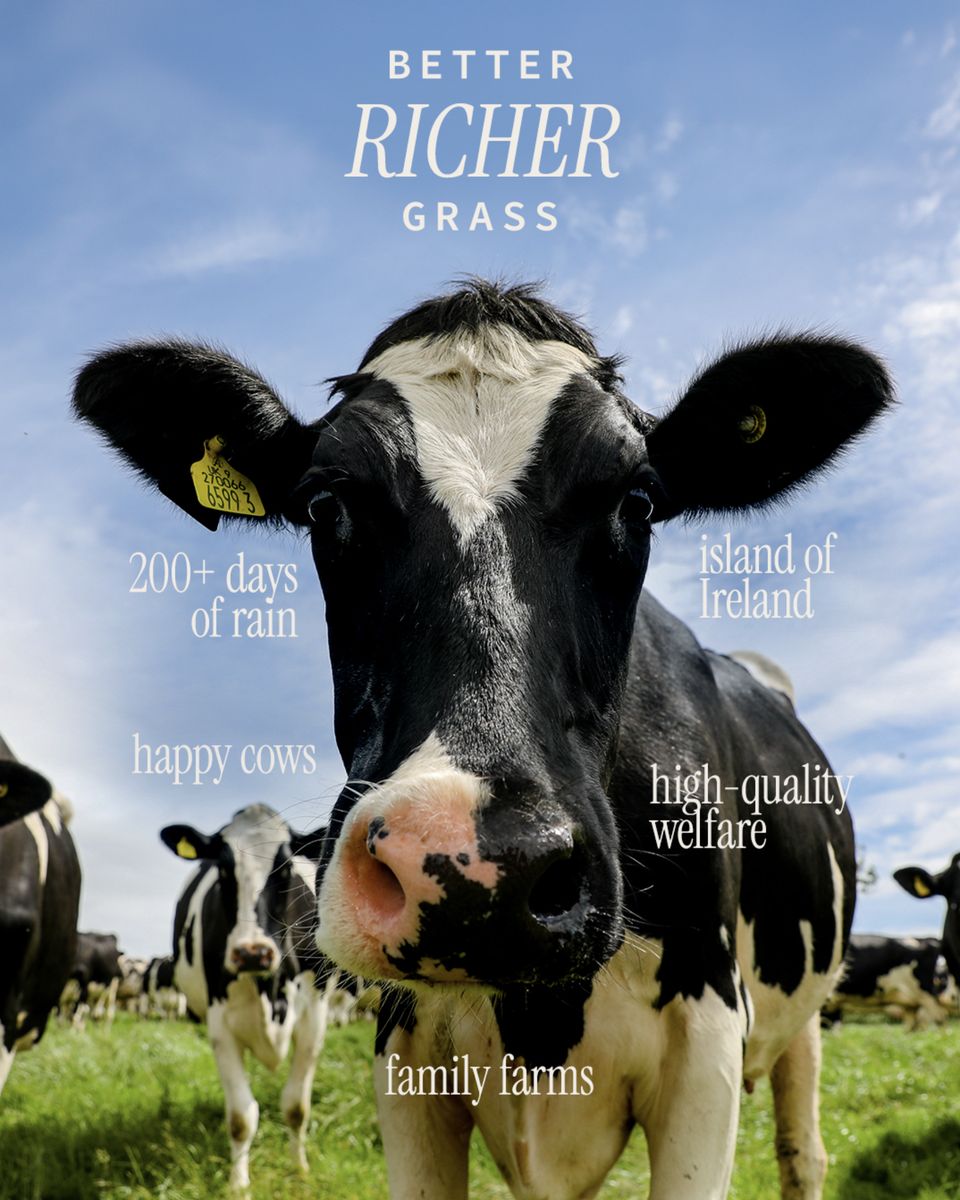
Around the pillars I set the creative direction, decided who makes what, established the art direction and built it out with junior creatives, developed the editing style with the edit team so output stays consistent whoever cuts it, and set up how assets get delivered globally, packaging large files so translation teams in other markets can localise them.
I also ran a session for my team on how to write hooks.
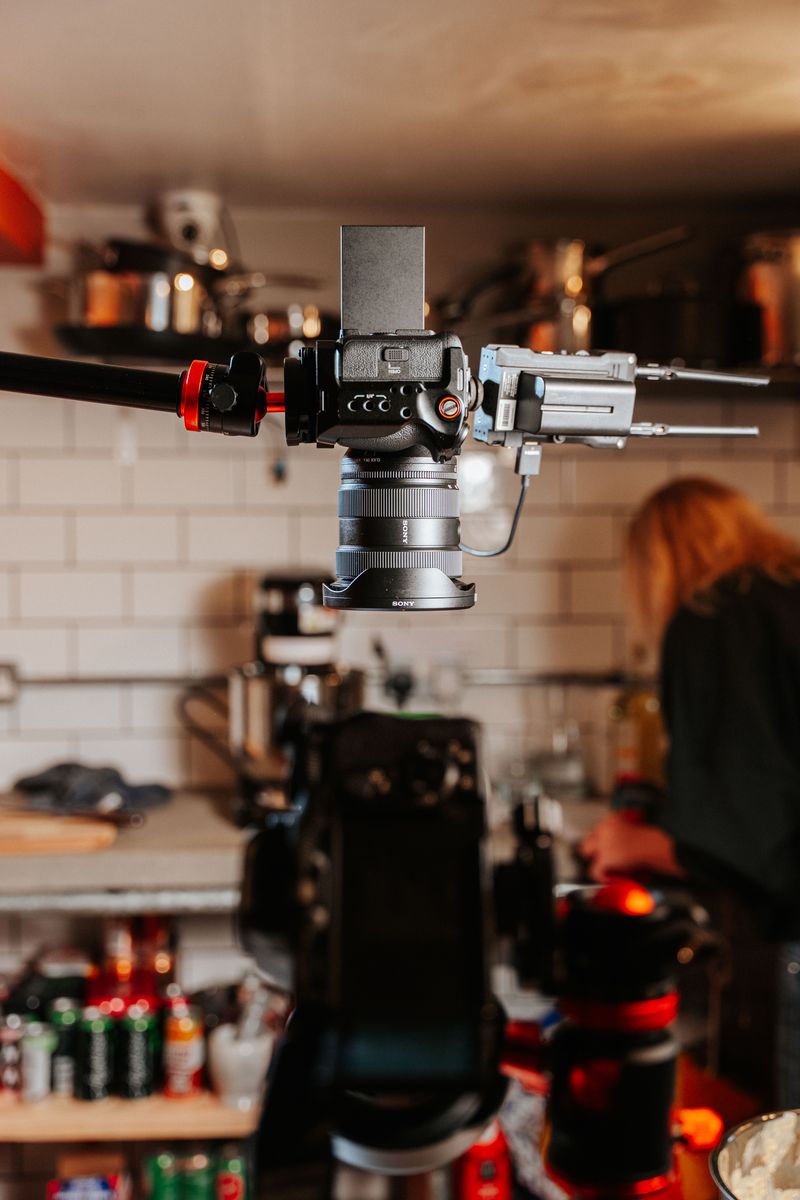
What I don't do is film it or cut it. What I do is come up with the original idea, plan the content, research the chef and find the story before we arrive, write the hooks, and direct the edits afterwards. Anyone can film a chef. Knowing what the film is about before you get there is the job.
The results
Live and shipping, now running across the UK, Indonesia, Thailand, MENA and a global channel.
A brand that had no social presence has a working content engine in five markets. The funnel is next year's job.